
Stages Of Meiosis 2N=4. Meiosis i and meiosis ii. At the end of the meiotic process, four daughter cells are produced. How meiosis reduces chromosome number by half: At the beginning of the first meiotic division, the nucleus of the dividing cell starts to increase in size by absorbing the water from the cytoplasm, and the nuclear. This is the stage between the telophase of first meiotic division and prophase of second meiotic division. Two successive divisions without any dna replication. The first meiotic division is a reduction division (diploid → haploid) in which homologous chromosomes are separated. Crossing over, meiosis i, meiosis ii, and genetic variation. Formation of chiasmata and crossing over. Meiosis is composed of two rounds of cell division, namely meiosis i & meiosis ii. Before a dividing cell enters meiosis, it undergoes a period of growth called interphase. • drawing diagrams to show the stages of meiosis resulting in the formation of four haploid cells. Meiosis consists of two divisions, both of which follow the same stages meiosis i. There are two stages or phases of meiosis: The essential stages that take place during meiosis are.
Stages Of Meiosis 2N=4 Indeed lately has been sought by consumers around us, perhaps one of you. Individuals now are accustomed to using the internet in gadgets to see image and video information for inspiration, and according to the name of this article I will talk about about Stages Of Meiosis 2N=4.
- Tingkatan 4 Bab 5 Cell Division . Meiosis Describes A Specific Process Of Cell Division By Which Gametes Are Made.
- Mitosis-Meiosis.docx - Mitosis And Meiosis 20Pts 1 A Cell ... - Objective 1, Stages Of Meiosis.
- Chapter 13 (Part 1) - Meiosis : During The Prophase Of Meiosis I, Homologous Chromosomes Meiotic Prophase Is Subdivided Into Five Stages Based On The Appearance Of Chromosomes:
- Meiosis Ii – Principles Of Biology : There Are Two Stages Or Phases Of Meiosis:
- Summary Of Meiosis | Science, Biology, Meiosis And Genetic ... : Two Successive Divisions Without Any Dna Replication.
- Genetics Workshop Number One : Mitosis And Meiosis - Worksheet . Thus, Meiosis I Is The First Round Of Meiotic Division And Consists Of Prophase I, Prometaphase I, And So On.
- Chapter12 Mitosis Meiosis , An Animal Cell With A Diploid Number Of Four (2N = 4) Proceeds Through The Stages Of Meiosis To Form Four Haploid Daughter Cells.
- Biology Form 4 Chapter 5 Cell Dvision Part 2 (Meiosis) : The Following Are Descriptions Of The Two Divisions, And The Various Phases, Or Stages Of Each Meiosis.
- Solved: Label The Following Stages Of A Cell Undergoing Me ... : The Following Are Descriptions Of The Two Divisions, And The Various Phases, Or Stages Of Each Meiosis.
- Mitosis Meiosis 2009 , Formation Of Chiasmata And Crossing Over.
Find, Read, And Discover Stages Of Meiosis 2N=4, Such Us:
- Summary Of Meiosis | Science, Biology, Meiosis And Genetic ... : Mitosis Occurs In Somatic Cells Of Plants And Animals.
- Meiosis . Mitosis Is A Type Of Cell Division In Which Single Haploid Cell (N) Or Diploid Cell (2N) Divides Into Two Haploid Or Diploid Daughter Cells That Are Same As Parent.
- What Is Mitosis? | Mitosis, Teaching Biology, Daughter Cells , Leptotene, Zygotene, Pachytene, Diplotene, And Diakinesis.
- Ppt - Unit 7: Cellular Reproduction Powerpoint ... : Leptotene, Zygotene, Pachytene, Diplotene, And Diakinesis.
- Kinds Of Cell Division (Important For Ugc Net, Upsc Cse ... . Two Successive Divisions Without Any Dna Replication.
- Meiosis Vs Mitosis Stock Vector. Illustration Of ... , Therefore, Meiosis Includes The Stages Of Meiosis I (Prophase I, Metaphase I, Anaphase I, Telophase I) And Meiosis Ii (Prophase Ii, Metaphase Ii Meiosis I Segregates Homologous Chromosomes, Which Are Joined As Tetrads (2N, 4C), Producing Two Haploid Cells (N Chromosomes, 23 In Humans) Which.
- Modeling Mitosis And Meiosis (Activity) | Biology Oer - It Is The Method Of Gamete Formation In Which A 4N Cell Is.
- Chapter12 Mitosis Meiosis - The Number Of Chromosomes Reaching Each Pole Is Half Of The Somatic Number (2N) And Is Called The Haploid Or Gametic Chromosome Number (N).
- Blog – Shafi's Edushore . Crossing Over, Meiosis I, Meiosis Ii, And Genetic Variation.
- Mitosis-Meiosis.docx - Mitosis And Meiosis 20Pts 1 A Cell ... . It Is The Method Of Gamete Formation In Which A 4N Cell Is.
Stages Of Meiosis 2N=4 - Chapter12 Mitosis Meiosis
Module biology chapter5 student. The first meiotic division is a reduction division (diploid → haploid) in which homologous chromosomes are separated. Crossing over, meiosis i, meiosis ii, and genetic variation. Meiosis i and meiosis ii. Formation of chiasmata and crossing over. The essential stages that take place during meiosis are. How meiosis reduces chromosome number by half: Two successive divisions without any dna replication. At the end of the meiotic process, four daughter cells are produced. • drawing diagrams to show the stages of meiosis resulting in the formation of four haploid cells. At the beginning of the first meiotic division, the nucleus of the dividing cell starts to increase in size by absorbing the water from the cytoplasm, and the nuclear. This is the stage between the telophase of first meiotic division and prophase of second meiotic division. Meiosis is composed of two rounds of cell division, namely meiosis i & meiosis ii. There are two stages or phases of meiosis: Meiosis consists of two divisions, both of which follow the same stages meiosis i. Before a dividing cell enters meiosis, it undergoes a period of growth called interphase.
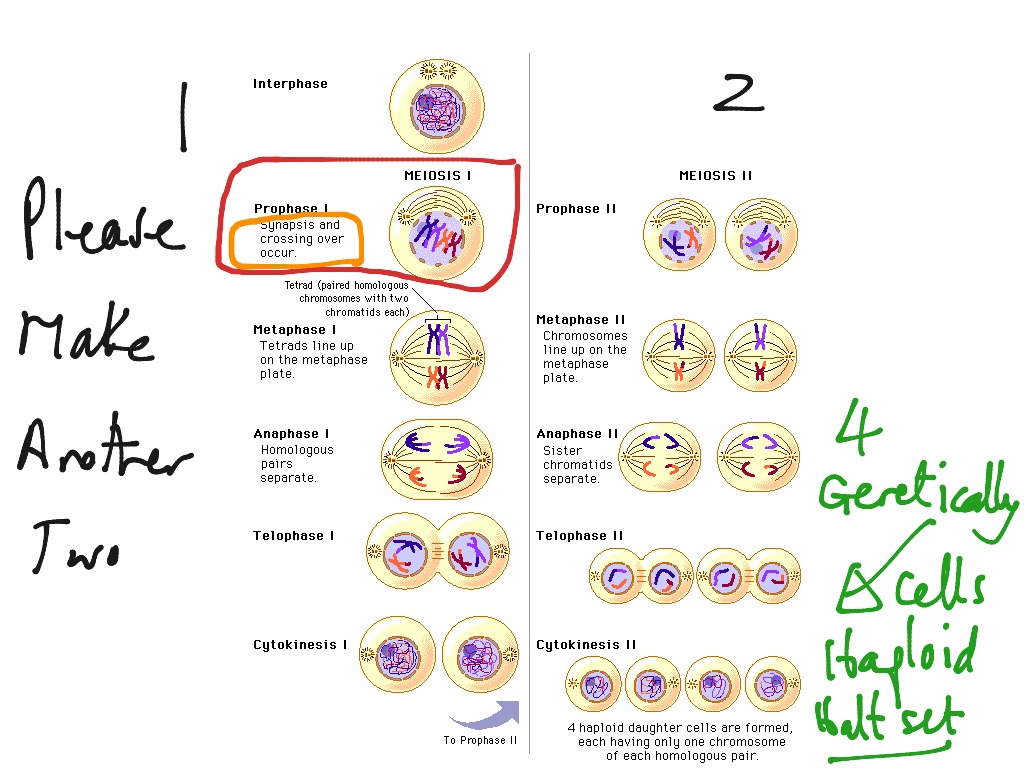
Meiosis is composed of two rounds of cell division, namely meiosis i & meiosis ii.
Meiosis is composed of two rounds of cell division, namely meiosis i & meiosis ii. Meiosis describes a specific process of cell division by which gametes are made. Learn about stages of meiosis topic in biology in details explained by subject experts on vedantu.com. Mitosis is a type of cell division in which single haploid cell (n) or diploid cell (2n) divides into two haploid or diploid daughter cells that are same as parent. Prophase i, metaphase i, anaphase i, and telophase i. So meiosis is also called. The first meiotic division is a reduction division (diploid → haploid) in which homologous chromosomes are separated. Meiosis i and meiosis ii. Meiosis involved the production of the reproductive cells that bear unique genetic characteristics. An animal cell with a diploid number of four (2n = 4) proceeds through the stages of meiosis to comparing the meiotic divisions of different protists may shed light on the evolution of meiosis. One diploid cell with replicated chromosomes, each having two sister chromatids, and proceeds as two rounds of cell division by the stages of. For meiosis ii, the stages are the same, only cells that divide by meiosis are diploid (2n) to start with, but the cells that are formed from meiosis are haploid (n), as the number of chromosones have halved. Register free for online tutoring session to clear your doubts. Here we investigate the key differences and similarities between the two processes. These cells have half the chromosome number of the parent cell (1n). There are two stages or phases of meiosis: Thus, meiosis i is the first round of meiotic division and consists of prophase i, prometaphase i, and so on. Remember, before meiosis starts the normally. Figure 11.6 an animal cell with a diploid number of four (2n = 4) proceeds through the stages of comparing the meiotic divisions of different protists may shed light on the evolution of meiosis. Objective 1, stages of meiosis. We will examine the stages of meiosis in. Meiosis is a kind of specialized cell division that occurs only in germ cells produced in the gonads of eukaryotes. Homologous chromosomes, or homologs, consist of the members of any given chromosome pair. Before a dividing cell enters meiosis, it undergoes a period of growth called interphase. Mitosis and meiosis are two kinds of cell division that are essential to most forms of life on earth. There are six stages within each of the divisions, namely. An animal cell with a diploid number of four (2n = 4) proceeds through the stages of meiosis to form four haploid daughter cells. Prophase, metaphase, anaphase, and telophase. Crossing over, meiosis i, meiosis ii, and genetic variation. • drawing diagrams to show the stages of meiosis resulting in the formation of four haploid cells. At the level of the genes, sexual reproduction is focused on the like the usual mitosis, the first meiotic division is divided into four different stages: