
Meiosis 2N=4 Cell. There are initially four chromatids (c) and two chromosomes (n) for each of the 23 chromosome pairs (4c, 2n). Meiosis is the special type of recombinative and reductive cell division occurring only in the generation of the gametes or germ cells (oocyte and spermatozoa). The haploid cells become gametes. Meiosis is the process by which replicated chromosomes undergo two nuclear divisions to produce four haploid cells, also called meiocytes (sperms and eggs). The starting cell is diploid, 2n = 4. Many organisms package these cells into gametes, such as egg and sperm. Homologous chromosomes pair up and exchange fragments in the process of crossing over. Diploid (2n) organisms rely on meiosis to produce meiocytes, which have half the ploidy of the parents, for sexual reproduction. The chromosomes begin to condense accompanied by the dissolution of the nuclear membrane and the disappearance of the golgi apparatus and er complex. In meiosis i, homologous chromosomes are separated into two cells such that there is one chromosome (consisting of two chromatids) per chromosome pair in each daughter cell. In mitosis, asexual cell division, one diploid (2n) parent cell gives rise to two diploid daughter cells that are genetically identical to the original cell and to each other. In my gen bio 1 course we just did cell division. Although there are differences between prokaryotes and eukaryotes, there are a number of features that are common during their processes of cell division. Meiosis is a type of cell division in sexually reproducing eukaryotes, resulting in four daughter cells (gametes), each of which has half the number of chromosomes as compared to the original diploid parent cell. Mitosis and meiosis take place in eukaryotic cells and are more advanced.
Meiosis 2N=4 Cell Indeed recently has been hunted by users around us, maybe one of you. People are now accustomed to using the net in gadgets to see image and video data for inspiration, and according to the name of this article I will talk about about Meiosis 2N=4 Cell.
- Unit 4: Cell Cycle - Meiosis Occurs In Eukaryotic Organisms That Reproduce Sexually.
- Chromosomal Basis Of Inherintance - Genetics 3063 With ... . Meiosis Is A Type Of Cell Division In Sexually Reproducing Eukaryotes, Resulting In Four Daughter Cells (Gametes), Each Of Which Has Half The Number Of Chromosomes As Compared To The Original Diploid Parent Cell.
- 55 Ch12Meiosis2008 : It Includes G1, S And Here The Cell Has Divided Into Two Daughter Haploid Cells However The Process Does Not End Here As These Two Cells Immediately Start To Divide Again.
- Mitosis-Meiosis.docx - Mitosis And Meiosis 20Pts 1 A Cell ... - Meiosis Is The Special Type Of Recombinative And Reductive Cell Division Occurring Only In The Generation Of The Gametes Or Germ Cells (Oocyte And Spermatozoa).
- 10 Lecture Animation Ppt : During Meiosis Ii, The Sister Chromatids Within The Two Daughter Cells Figure 2 An Animal Cell With A Diploid Number Of Four (2N = 4) Proceeds Through The Stages Of Meiosis To Form Four Haploid Daughter Cells.
- Life Sciences Cyberbridge - Meiosis Is A Special Kind Of Cell Division In Which The Chromosome Number Is Reduced In Half.
- What Is Nondisjunction During Meiosis 1? - Quora - Meiosis Is The Special Type Of Recombinative And Reductive Cell Division Occurring Only In The Generation Of The Gametes Or Germ Cells (Oocyte And Spermatozoa).
- Biology Form 4 Chapter 5 Cell Dvision Part 2 (Meiosis) . In Mitosis, Asexual Cell Division, One Diploid (2N) Parent Cell Gives Rise To Two Diploid Daughter Cells That Are Genetically Identical To The Original Cell And To Each Other.
- 4.2/10.1 Meiosis | I Am So , Meiosis Is A Type Of Cell Division In Sexually Reproducing Eukaryotes, Resulting In Four Daughter Cells (Gametes), Each Of Which Has Half The Number Of Chromosomes As Compared To The Original Diploid Parent Cell.
- Phases Of Meiosis Draw The Phases For A Cell 2N 4 ... . Meiosis, From The Greek Word Meioun, Meaning To Make Small, Refers To The Specialized Process By Which Germ Cells Divide To Produce Gametes.
Find, Read, And Discover Meiosis 2N=4 Cell, Such Us:
- Phases Of Meiosis Draw The Phases For A Cell 2N 4 ... - Meiosis Is Involved In Producing Genetic Variation Within A Species And Is Part Of The Process Of Sexual Reproduction.
- Hillis2E_Ch07 : Daughter Cells Produced In Meiosis Are…
- Chromosomal Basis Of Inherintance - Genetics 3063 With ... , Meiosis Is The Special Type Of Recombinative And Reductive Cell Division Occurring Only In The Generation Of The Gametes Or Germ Cells (Oocyte And Spermatozoa).
- Life Sciences Cyberbridge . The Period Prior To The Synthesis Of Dna.
- Mitosis-Meiosis.docx - Mitosis And Meiosis 20Pts 1 A Cell ... : These Fuse To Form A Diploid Fertilised Egg Cell During Fertilisation.
- Plant Cell Meiosis Ii , Compare Mitosis With Meiosis (Or Meiosis Vs Mitsis).
- Biologia Cibernetica: Ficha N°1 : I Breezed Through The Chapter Since It Was A Nice Review From Ap Biology.
- Difference Between (N) & (2N) Number Of Chromosome In ... . It Includes G1, S And Here The Cell Has Divided Into Two Daughter Haploid Cells However The Process Does Not End Here As These Two Cells Immediately Start To Divide Again.
- Module Biology Chapter5 Student : In Meiosis I, Homologous Chromosomes Are Separated Into Two Cells Such That There Is One Chromosome (Consisting Of Two Chromatids) Per Chromosome Pair In Each Daughter Cell.
- Meiosis Pdf : This Is How The Chromosome Number In A Life Cycle The Triploid Seeds Are Obtained By Crossing A Fertile Tetrapolid (4N) Plant With A Diploid (2N) Plant.
Meiosis 2N=4 Cell : Ppt - Unit 3.4: Cell Division: Meiosis Powerpoint ...
hillis2e_ch07. Although there are differences between prokaryotes and eukaryotes, there are a number of features that are common during their processes of cell division. There are initially four chromatids (c) and two chromosomes (n) for each of the 23 chromosome pairs (4c, 2n). In mitosis, asexual cell division, one diploid (2n) parent cell gives rise to two diploid daughter cells that are genetically identical to the original cell and to each other. Meiosis is the special type of recombinative and reductive cell division occurring only in the generation of the gametes or germ cells (oocyte and spermatozoa). Meiosis is a type of cell division in sexually reproducing eukaryotes, resulting in four daughter cells (gametes), each of which has half the number of chromosomes as compared to the original diploid parent cell. The chromosomes begin to condense accompanied by the dissolution of the nuclear membrane and the disappearance of the golgi apparatus and er complex. In meiosis i, homologous chromosomes are separated into two cells such that there is one chromosome (consisting of two chromatids) per chromosome pair in each daughter cell. Homologous chromosomes pair up and exchange fragments in the process of crossing over. The haploid cells become gametes. Diploid (2n) organisms rely on meiosis to produce meiocytes, which have half the ploidy of the parents, for sexual reproduction. Meiosis is the process by which replicated chromosomes undergo two nuclear divisions to produce four haploid cells, also called meiocytes (sperms and eggs). Many organisms package these cells into gametes, such as egg and sperm. Mitosis and meiosis take place in eukaryotic cells and are more advanced. The starting cell is diploid, 2n = 4. In my gen bio 1 course we just did cell division.
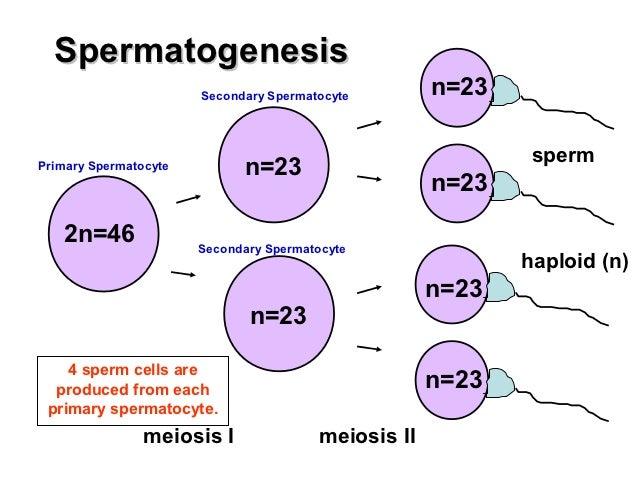
Because the chromosome number of a species remains the same from one generation to the next, the chromosome number of germ cells must be reduced by.
The two cells produced in meiosis i go through the events of meiosis ii at the same time. In this phase, the cell increases in mass in. The chromosomes begin to condense accompanied by the dissolution of the nuclear membrane and the disappearance of the golgi apparatus and er complex. In mitosis, asexual cell division, one diploid (2n) parent cell gives rise to two diploid daughter cells that are genetically identical to the original cell and to each other. List of differences between the two types of cell division mitosis and meiosis, suitable for introductory a complete set of chromosomes is called the diploid number of chromosomes. I breezed through the chapter since it was a nice review from ap biology. Choose from 157 different sets of flashcards about term:meiosis meiosis vs mitosis = 2n >4(n) on quizlet. The possible number of alignments therefore equals 2n, where n is the number. This is often represented by the symbol 2n , or 2n. Meiosis is a type of cell division in sexually reproducing eukaryotes, resulting in four daughter cells (gametes), each of which has half the number of chromosomes as compared to the original diploid parent cell. Because the ploidy is reduced from diploid to haploid, meiosis i is referred to as a reductional division. Many organisms package these cells into gametes, such as egg and sperm. Although there are differences between prokaryotes and eukaryotes, there are a number of features that are common during their processes of cell division. In each cell that undergoes meiosis, the arrangement of the tetrads is different. At the end of the meiotic process, four daughter cells are produced. Because the chromosome number of a species remains the same from one generation to the next, the chromosome number of germ cells must be reduced by. Meiotic cells have an interphase stage before the start of meiosis i which is similar to mitosis. Meiosis occurs in eukaryotic organisms that reproduce sexually. The two cells produced in meiosis i go through the events of meiosis ii at the same time. These fuse to form a diploid fertilised egg cell during fertilisation. The number of variations is dependent on the number of chromosomes there are two possibilities for orientation at the metaphase plate; In animals these cells are directly formed by differentiation (maturation) of the meiotic products. Here we investigate the key differences and similarities between other cells, such as neurons, will never divide again once they are terminally differentiated; Meiosis differs from mitosis as meiosis i involves chromosomal content being recombinantly halved. The starting cell is diploid, 2n = 4. Results in four haploid cells. In my gen bio 1 course we just did cell division. The process by which a diploid (2n) cell forms four haploid (1n) gametes. Homologous chromosomes pair up and exchange fragments in the process of crossing over. Meiosis i and meiosis ii. Occurs by invagination of the cell membrane in animal cells & by cell plate method in plant cells.