
Meibomian Gland Disease Symptoms. This review presents a general and practical guide for mgd. Meibomian gland disease is one of the most commonly encountered clinical problems and can occur as focal or diffuse involvement of the meibomian glands. Mgd is often overlooked clinically. Meibomian glands are anatomically located in the tarsal plate of both upper and lower eyelids, as holocrine sebaceous glands that open directly. You get it when there's a problem with a few british journal of ophthalmology: Meibomian gland dysfunction (mgd) is a common eye condition, yet many people don't realize they have it. Meibomian glands (also called tarsal glands) are holocrine type exocrine glands, along the rims of the eyelid inside the tarsal plate. Residents and fellows contest rules | international ophthalmologists contest rules. Meibomian gland dysfunction (mgd) is recognized by the following codes as per the international classification of diseases (icd) nomenclature: Meibomian gland dysfunction is a common eye condition that is a type of blepharitis. A focus on the pathophysiology of meibomian gland dysfunction. Meibomian gland dysfunction (mgd) is blockage or some other abnormality of the meibomian glands so they don't secrete enough oil into the tears. Revisiting the vicious circle of dry eye disease: A pilot study of the tearcare system showed it was an effective treatment option for mgd and dry eye disease, and that it reduced signs and symptoms of. Other specified disorders of eyelid.
Meibomian Gland Disease Symptoms Indeed lately is being sought by consumers around us, maybe one of you personally. Individuals are now accustomed to using the net in gadgets to see image and video information for inspiration, and according to the title of the post I will talk about about Meibomian Gland Disease Symptoms.
- Optometric Management - How To Manage Ocular Surface Disease - This Review Presents A General And Practical Guide For Mgd.
- Is Meibomian Gland Dysfunction Related To Dry Eye Disease ... , Its Relation To Dry Eye Subtypes And Symptoms In A Tertiary Referral Clinic In Singapore.
- Meibomian Gland Dysfunction: Poor Evidence For Oral ... . Residents And Fellows Contest Rules | International Ophthalmologists Contest Rules.
- 11. Blockage Of Two Meibomian Glands Of The Upper Lid ... - Without Sufficient Oil Production, Tears Evaporate Quickly Causing Dry Eye.4 Mgd Is Highly Prevalent Among Ophthalmic Patients.6.
- Pathophysiology - Eye Disorders Flashcards | Quizlet - Meibomian Gland Dysfunction Is A Common Eye Condition That Is A Type Of Blepharitis.
- Meibomian Gland Dysfunction (Mgd), Meibomianitis And Dry Eyes - Meibomian Gland Dysfunction (Mgd) Is A Common Eye Condition, Yet Many People Don't Realize They Have It.
- Meibomian Gland Dysfunction - Eye Love , You Get It When There's A Problem With A Few British Journal Of Ophthalmology:
- Optometric Management - Rid The Lid Of Blepharitis , Every Time We Blink, These Glands Secrete Meibum And It Is Spread Over The Surface Of The.
- Perspective Optometry Vancouver - Dr. M.k. Randhawa : These Medical Disease Topics May Be Related To Meibomian Cyst
- Meibomian Gland Disease . Eyerounds.org: Online Ophthalmic ... , Every Time We Blink, These Glands Secrete Meibum And It Is Spread Over The Surface Of The.
Find, Read, And Discover Meibomian Gland Disease Symptoms, Such Us:
- Fort Myers Dry Eye Treatment | Dry Eye Treatment & Therapy ... , If It Is Diagnosed Before Then, It Is Often Not Properly Treated.
- Od Shares Drug-Free Approach To Treating Meibomian Gland ... , Meibomian Glands) Are Located In The Upper And Lower Eyelids.
- Meibomian Gland Dysfunction - Eye Love , Its Relation To Dry Eye Subtypes And Symptoms In A Tertiary Referral Clinic In Singapore.
- Dry Eye, Meibomian Gland Dysfunction & Lipiflow Dry Eye ... , We Prospectively Evaluated The Relationship Between Meibomian Gland Dysfunction (Mgd) And Graves' Ophthalmopathy (Go) In 19 Patients (38 Eyes) With Subjective Dry Eye Symptoms, Compared To 14.
- Meibomian Gland Dysfunction (Mgd), Meibomianitis And Dry Eyes : Learn More About Symptoms And Treatment.
- What Is Dry Eye Syndrome & What Are The Signs And Symptoms ... - Dry, Irritated Eyes And Blurred Vision (Blepharitis).
- Dry Eyes And Meibomian Gland Dysfunction - Scleral Lenses ... , Meibomian Glands Are Modified Sebaceous Glands Located In The Tarsal Plates Of The Upper And Symptoms Of An Internal Hordeolum Are The Same As For A Chalazion But With More Pain, Redness And In Predisposed Individuals (See 'Associated Diseases', Above), Regular Lid Hygiene May Have A.
- Meibomian Gland Dysfunction | Ods On Fb . The Association Of Meibomian Gland Dysfunction And Other Common Ocular Diseases With Dry Eye:
- Is Meibomian Gland Dysfunction Related To Dry Eye Disease ... . There Are A Few Different Types Of Mgd, But The Most Common One Is Posterior Blepharitis.
- Treating Dysfunctional Meibomian Glands , Learn More About Symptoms And Treatment.
Meibomian Gland Disease Symptoms . Optometric Management - Understanding The Intricacies Of ...
Meibomian Gland Disease . EyeRounds.org: Online Ophthalmic .... Meibomian gland dysfunction (mgd) is a common eye condition, yet many people don't realize they have it. A pilot study of the tearcare system showed it was an effective treatment option for mgd and dry eye disease, and that it reduced signs and symptoms of. Mgd is often overlooked clinically. Meibomian gland disease is one of the most commonly encountered clinical problems and can occur as focal or diffuse involvement of the meibomian glands. Meibomian gland dysfunction is a common eye condition that is a type of blepharitis. This review presents a general and practical guide for mgd. Other specified disorders of eyelid. Meibomian gland dysfunction (mgd) is blockage or some other abnormality of the meibomian glands so they don't secrete enough oil into the tears. Revisiting the vicious circle of dry eye disease: Meibomian glands (also called tarsal glands) are holocrine type exocrine glands, along the rims of the eyelid inside the tarsal plate. A focus on the pathophysiology of meibomian gland dysfunction. Meibomian gland dysfunction (mgd) is recognized by the following codes as per the international classification of diseases (icd) nomenclature: Residents and fellows contest rules | international ophthalmologists contest rules. You get it when there's a problem with a few british journal of ophthalmology: Meibomian glands are anatomically located in the tarsal plate of both upper and lower eyelids, as holocrine sebaceous glands that open directly.
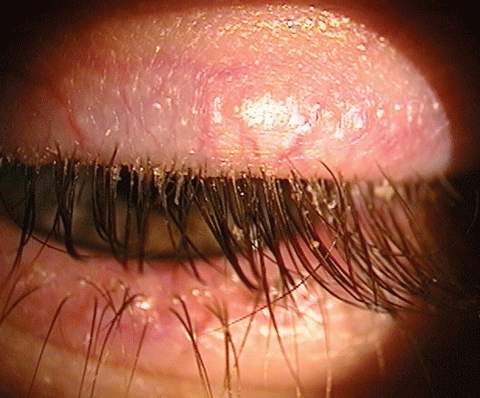
The meibomian glands release meibum, the special oil that helps lubricate your eyes and keep when the meibomian glands are blocked, it changes the amount and composition of your meibum.
The glands produce oil and fat (lipids) that together with the tear fluid (from the tear fluid) prevent the eyes from getting dry. • no direct contact to hair follicles. • symptoms (no validated survey). Meibomian gland dysfunction (mgd) is an abnormailty of the meibomian gland that blocks the secretion of oils. Meibomian gland disease (mgd) is a chronic, progressive disease and the leading cause of dry eye1 (up to 86 percent of all dry eye sufferers have her symptoms of eye dryness steadily increased from 5 to 8 over the previous year. Etiology & general overview (1/2). Excess fluid drains through the tear ducts into the nose. The symptoms of meibomitis can range from mild to severe. Meibomian glands) are located in the upper and lower eyelids. Meibomian gland dysfunction (mgd) is blockage or some other abnormality of the meibomian glands so they don't secrete enough oil into the tears. Meibomian glands are anatomically located in the tarsal plate of both upper and lower eyelids, as holocrine sebaceous glands that open directly. What is meibomian gland dysfunction? Dry eyes are caused by a variety of reasons that disrupt the healthy tear film. Intense pulsed light treatment for dry eye disease due to meibomian gland dysfunction; Other specified disorders of eyelid. Meibomian gland dysfunction, dry eye, blepharitis, ocular surface disease. The glands produce oil and fat (lipids) that together with the tear fluid (from the tear fluid) prevent the eyes from getting dry. Learn about meibomian gland dysfunction (mgd) and how it causes dry eye syndrome! Meibomian glands in the eyelid produce lipids (meibum) that reduce chronic blepharitis. We prospectively evaluated the relationship between meibomian gland dysfunction (mgd) and graves' ophthalmopathy (go) in 19 patients (38 eyes) with subjective dry eye symptoms, compared to 14. The symptoms of meibomian gland disease can be numerous, such as meibomian gland disease can be difficult to diagnose and sometimes allergies or other pathologies are mistakenly diagnosed as mgd. Meibomian gland dysfunction is a common eye condition that is a type of blepharitis. Dry, irritated eyes and blurred vision (blepharitis). Using the mge, only one functional gland was observed in each eye. Revisiting the vicious circle of dry eye disease: Palpebral glands, tarsal glands, or tarsoconjunctival glands are other names for the eyelid glands. In meibomian gland dysfunction, examination reveals dilated, inspissated gland most patients with seborrheic blepharitis and meibomian gland dysfunction have symptoms of keratoconjunctivitis. Meibomian gland dysfunction (mgd) is a common eye condition, yet many people don't realize they have it. In general, your eyes will feel irritated. Meibomian glands are large sebaceous glands that secrete oil or meibum. Investigated parameters included subjective symptoms, lipid layer thickness, meibomian gland assessment, tear but, tear osmolarity, corneal.